 Follow ASTCT®
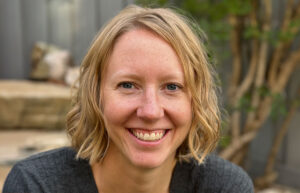
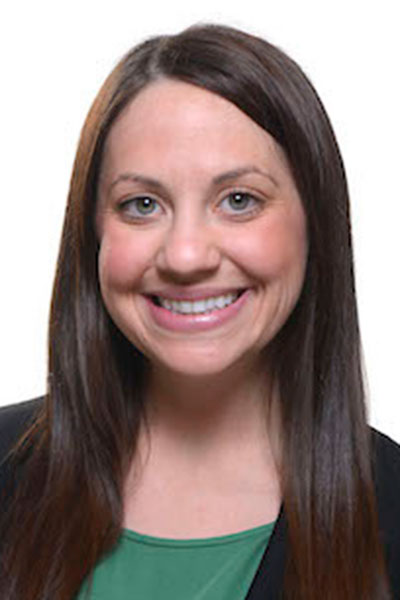
Recipient: Danielle Kirkey, MD, research associate/instructor, Translational Science and Therapeutics Division, Fred Hutch Cancer Center
Project title of research award: Targeting CLEC2A, a novel leukemia-restricted target, in high-risk AML
What does this recognition mean to you?
“I am extremely honored and grateful for this recognition by ASTCT. As an early career physician-scientist, receiving this award, especially during a time of uncertain research funding, is instrumental to my overall career goals and success in becoming an independent investigator. Funding for pediatric cancer research is particularly limited, and having support from ASTCT to continue my research for this high-risk patient population will allow me to continue to bring novel therapies to the clinic and deepen our understanding of why cellular therapy has been so challenging in acute myeloid leukemia (AML). I am deeply passionate about improving outcomes for children with high-risk leukemias through cellular therapies. Having support from ASTCT to provide dedicated time to continue my work not only means the world to me, but also provides hope for our patients.”
How will this award facilitate your ongoing work?
“This award provides me with essential, dedicated research time and salary support to explore new areas of resistance to cellular therapy in AML, where we have unfortunately not seen success to date. My research focuses on targeting a newly discovered leukemia-restricted antigen, CLEC2A, which is moving into Phase 1 clinical trial. This award supports my work to expand this novel cellular therapy to additional high-risk subtypes of AML utilizing patient-derived xenograft models and allows me to explore how we can improve our ability to treat extramedullary leukemia (EML) that develops outside of the bone marrow/blood, which is a unique challenge in AML.”
How did you first become interested in transplantation and cellular and gene therapy?
“I first became interested in cellular therapies while conducting translational cancer research prior to medical school. I was fascinated by our ability to harness the body’s own immune system to provide less toxic and more durable responses. This passion for cellular therapy was further solidified during my pediatric residency training when I was able to care for one of the first pediatric patients treated with a dual CD19/CD22 CAR T therapy, leading to a curative response in a young woman with multiply relapsed leukemia. I knew from that point on that I wanted to dedicate my career to improving outcomes for patients with high-risk leukemias through transformative immunotherapy research that can be translated into clinical care. I have been extremely fortunate to have been able to pursue this passion and truly love what I get to do both at the bench and in the clinic.”
How do you hope your work influences the field?
“Unlike the remarkable responses seen in B-cell malignancies, cellular therapies, such as CAR T-cell therapy, have had limited success in AML to date. Nearly all CAR T therapy for AML targets shared antigens expressed on both normal and malignant myeloid cells, which limits efficacy due to toxicity and exhaustion. I hope that my work changes the landscape of immunotherapy in AML by providing novel cellular therapies targeting leukemia-specific antigens enriched in high-risk subtypes of AML. Additionally, AML presents unique challenges to effective CAR T therapy, which necessitates further exploration. I hope that my work — supported by the ASTCT New Investigator Award — will begin to deepen our understanding of how the unique microenvironment contributes to CAR T-cell response in AML, providing insight into how we can augment and improve cellular therapies for our patients.”
What excites you most about the future developments in the field of transplantation and cellular and gene therapy?
“I truly believe that cellular therapies are the future of more effective, less toxic, durable cures for patients with high-risk leukemias. Through innovative technologies, we are deepening our understanding of the molecular landscape of high-risk leukemias that can be exploited for development of improved cellular therapies. Novel strategies to augment cellular therapy response with fine-tuning of the CAR construct and armoring capabilities are providing exciting options with promising results across a broad array of malignancies. The collective investment in developing and improving cellular therapies, including approaches to overcome disease-specific mechanisms of resistance, is transforming the field. I am genuinely honored to be a part of this movement.”
The ASTCT New Investigator Awards (NIAs) are designed to encourage clinical and/or laboratory research by young investigators in the field of hematopoietic cell transplantation, cellular therapy and/or gene therapy. This includes application of these therapies to malignant diseases, both hematologic and solid tumors, non-malignant diseases, including hemoglobinopathies, immune deficiencies and autoimmune diseases. The award provides $50,000 per year for two years in support of research costs and/or salary. Visit the ASTCT website to learn more about the award.
Watch 2026 Tandem Meetings sessions on demand

If you aren’t able to make it to a live session during the 2026 Tandem Meetings — or you want to revisit a session — you can watch on-demand recordings within hours of the live presentations via digital access.