 Follow ASTCT®
Discussions surrounding artificial intelligence (AI) as a key to large-scale advancements are being held throughout the fields of healthcare, and during the Tandem Meetings | Transplantation & Cellular Therapy Meetings of ASTCT®and CIBMTR®. On Thursday, Feb. 5, 1:00 – 2:00 p.m. MST in Room 250 A-F of the Salt Palace Convention Center, the panel Uses of AI in Cellular Therapy examines practical uses and realistic burdens in integrating AI applications in transplantation, cell and gene therapy.
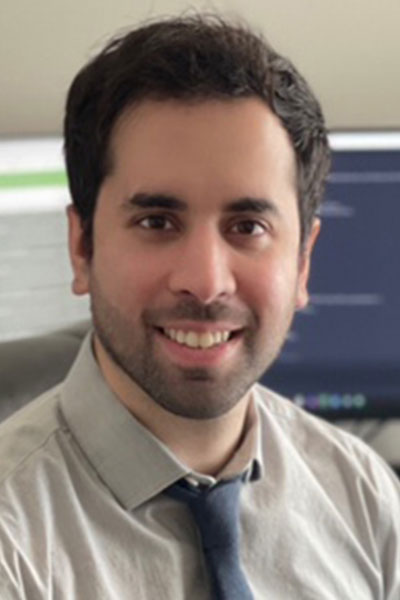
The panelists for this session are Bridget Wakaruk, manager of project management at CIBMTR; Amelia Scheck, manager of Stanford’s Division of Blood and Marrow Transplantation and Cellular Therapy Data Management team; Giri Reddy, head of AI and enterprise modern architecture at NMDP; Aziz Nazha, MD, a hematologist at Thomas Jefferson University; and Wasay Khan, MD, PhD, scientific director of clinical informatics at CIBMTR.
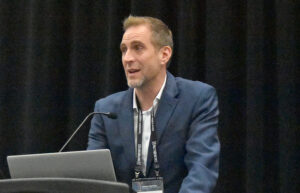
Dr. Khan said AI tools have the potential to impact cellular therapy through expedited data abstraction, relieving significant manual process burdens from data managers and improving the time needed to unveil actionable patient insights for clinicians and researchers.
“There are a lot of factors that go into cellular therapy — looking at toxicity burden or searching for viable patients and donors — which require timely, actionable resources,” Dr. Khan noted. “AI would help augment that process.”
He added that abstracting data with assistance of AI tools will also help researchers and clinicians make strides with precision medicine therapies tailored to an individual’s condition and comorbidities.
“AI really helps us with the data we have to understand each patient at a personal level and treat them accordingly to augment the success of their outcomes,” Dr. Khan explained.
But Dr. Khan cautioned there’s much work to be done before this new landscape becomes a reality. The massive amount of data received from disparate, unaligned sources currently requires extensive manual cleaning and curation by data managers before it is actionable. To enhance the seamlessness of this process, his team at CIBMTR will need buy-in and support from other data centers to help standardize the input data, which could disrupt workflows in the short term.
“Everyone is down for AI support when they hear how helpful it can be, but it’s rarely discussed that it takes a lot of effort to implement these tools,” Dr. Khan said. “At CIBMTR, we’re moving toward an AI electronic health record cloud environment, and doing so will take a lot of effort. I try to explain that we might need to take two steps back in order to take five steps forward in the long term.”
Ultimately, Dr. Khan expressed faith in these efforts because of their transformative potential for improving patient outcomes, a mission that unites everyone working in the healthcare industry and that he and other panelists will explore further during the session presentations.
“The data we have is immense. The struggle will be making the data actionable. Once we have actionable data, it can create thousands of opportunities for new research and publications. The benefits could be limitless once we have this set in stone,” Dr. Khan said.
On-demand content will be available for this session. Visit the 2026 Tandem Meetings website to browse the full program listing.
Watch 2026 Tandem Meetings sessions on demand

If you missed a session or wish to review a session from the 2026 Tandem Meetings, you can access on-demand recordings on the Tandem Meetings website. Registered participants have digital access to scientific plenary and concurrent sessions, oral abstract sessions, honorific lectures, symposia and educational tracks.