 Follow ASTCT®
Recipient: Parash Prasad, PhD, post-doctoral Fellow, Dana-Farber Cancer Institute
Project title of research award: Bone marrow adipocyte RXR/Resistin in HSC maintenance and B-cell lymphopoiesis
What does this recognition mean to you?
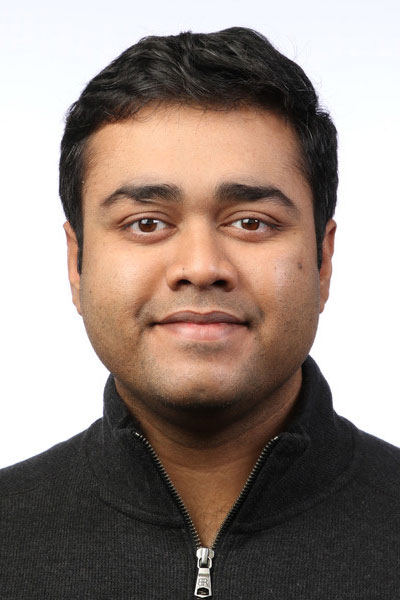
“Receiving the ASTCT New Investigator Award is a tremendous honor and deeply meaningful to me. This recognition affirms the dedication and scientific rigor behind my research efforts and underscores the importance of early-career investigation in advancing hematopoietic cell transplantation and cellular therapy. Being recognized by ASTCT — a leading society in the field — is both humbling and motivating, and it strengthens my commitment to pursuing innovative, collaborative and patient-focused research that contributes to improved outcomes for patients.”
How will this award facilitate your ongoing work?
“The award provides essential support that will directly facilitate the progress of my research by enabling deeper mechanistic investigation and the development of translational approaches relevant to hematopoietic cell transplantation and cellular therapy. The flexibility of this funding allows me to test innovative hypotheses, support trainee involvement and generate foundational data necessary for future large-scale studies, with the long-term goal of improving therapeutic strategies and patient care.”
How did you first become interested in transplantation and cellular and gene therapy?
“My interest in transplantation and cellular and gene therapy emerged during my early career training, when I became fascinated by the intersection of hematopoietic stem cell biology. In particular, studying how bone marrow microenvironment regulates hematopoietic stem cell function revealed how profoundly metabolic hormones and cytokines can influence regeneration and transplant outcomes. Recognizing that signals from niche cells such as adipocytes can shape hematopoietic stem cell fate and immune cell reconstitution drew me to the field of transplantation, where fundamental biological insights have direct and meaningful implications for patient care. This integrated perspective continues to guide my research focus today.”
How do you hope your work influences the field?
“I hope my work influences the field by highlighting how metabolic cues from the bone marrow microenvironment can be leveraged to improve transplantation outcomes. While hematopoietic stem cell (HSC) transplantation is curative for many hematologic diseases, delayed immune reconstitution remains a major cause of post-transplant morbidity and mortality. Advances in HSC gene therapy have enabled correction of monogenic disorders, but can compromise immune recovery due to reduced expansion or function of manipulated stem cells. Our findings demonstrate that recombinant resistin enhances stem cell fitness in ex vivo settings and promotes HSC-derived lymphoid reconstitution following bone marrow transplantation. Our study also indicates the regulation of the progenitor-derived lymphoid reconstitution by resistin. This work aims to provide new strategies to improve immune recovery and overall transplant success.”
What excites you most about the future developments in the field of transplantation and cellular and gene therapy?
“I am particularly excited by the emergence of in vivo gene therapy and its potential to correct hematopoietic stem cells while maintaining their native metabolic and niche context. When combined with advances in stem cell biology and microenvironmental modulation, these innovations offer a powerful path toward improving immune recovery, durability and overall outcomes in transplantation.”
The ASTCT New Investigator Awards (NIAs) are designed to encourage clinical and/or laboratory research by young investigators in the field of hematopoietic cell transplantation, cellular therapy and/or gene therapy. This includes application of these therapies to malignant diseases, both hematologic and solid tumors, non-malignant diseases, including hemoglobinopathies, immune deficiencies and autoimmune diseases. The award provides $50,000 per year for two years in support of research costs and/or salary. Visit the ASTCT website to learn more about the award.
Watch 2026 Tandem Meetings sessions on demand

If you missed a session or wish to review a session from the 2026 Tandem Meetings, you can access on-demand recordings on the Tandem Meetings website. Registered participants have digital access to scientific plenary and concurrent sessions, oral abstract sessions, honorific lectures, symposia and educational tracks.