 Follow ASTCT®


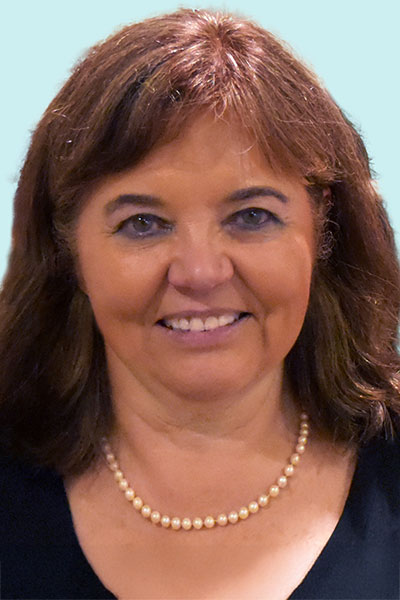
Award Recipient: Helen Heslop, MD, DSc (Hon), the Dan L. Duncan Chair, professor of medicine and of pediatrics, deputy director of the Dan L. Duncan Comprehensive Cancer Center, Baylor College of Medicine, and director of the Center for Cell & Gene Therapy, Baylor College of Medicine, Houston Methodist Hospital, and Texas Children’s Hospital
Awards Session: (PEDS) Lifetime Achievement Award, 1 p.m. on Feb. 12, Room 313 ABC
Lecture Title: Extending Applicability of Immune Effector Cells
What was your reaction to finding out you were the recipient of this award?
“I was very honored to receive this recognition.”
What will you talk about in your lecture?
“I will talk a little about my career path but will mainly present several vignettes of cell and gene therapy trials in pediatric cancer patients that will include virus-specific T cells and approaches using T cells genetically modified with chimeric antigen receptors to target hematologic malignancies and solid tumors.”
How did you first become interested in transplantation and cellular and gene therapy?
“I enjoyed the ability to span bench and bedside — looking after complex patients with interesting biology and being able to develop strategies in the laboratory to improve outcomes and test in the clinic.”
What do you consider your greatest achievement in the field?
“Showing that virus-specific T cells can treat a cancer (EBV lymphoma) then later developing teams to undertake many first-in-human cell and gene therapy studies.”
What excites you most about the field today?
“The potential for improving outcomes with gene editing, in vivo gene therapy, and by incorporating AI.”
What advice do you have for someone just getting started in the field?
“Choose an area to focus on that you are passionate about.”
REGISTER TODAY FOR THE TANDEM MEETINGS
There’s still time to join the 2026 Tandem Meetings | Transplantation & Cellular Therapy Meetings of ASTCT® and CIBMTR® in Salt Lake City, Feb. 4-7. Registered attendees will have access to on-demand recordings of sessions.