 Follow ASTCT®
Medical use of cannabis is legal in 40 U.S. states, and 24 states allow recreational use of marijuana. Despite the spreading legality of cannabis across the country, data on the effects of its use are limited because its classification as a Schedule I drug under the Controlled Substances Act has restricted its use in medical research.
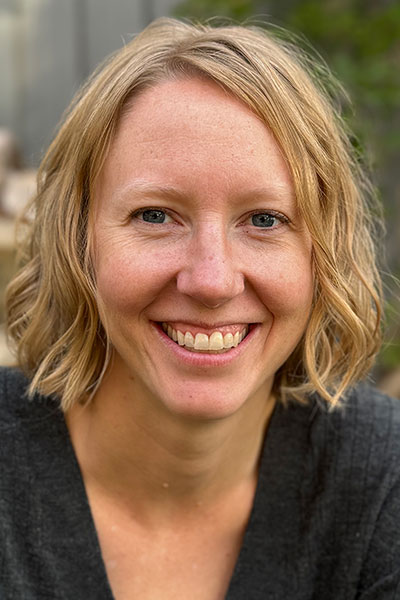
“There’s a huge lack of data because of the challenges from researching something that’s federally illegal,” said Kali Ditolla, PharmD, BCOP, a pharmacist at the Huntsman Cancer Institute at the University of Utah.
Dr. Ditolla noted that an executive order signed in December might lead to a change in the classification of cannabis to a Schedule III drug, which means it would be recognized in the United States as having medicinal use, allowing for more research opportunities and data in the future.
“But right now, we need to understand the current challenges to research,” Dr. Ditolla said. “As pharmacists, we want to know how cannabis interacts with chemotherapy and immunosuppressive medications and what the strength of an interaction is. Unfortunately, we just don’t have a lot of that data right now.”
Dr. Ditolla will discuss the impact of cannabis use — legal or not — on transplant regimens during Medical Cannabis Use in Stem Cell Transplant Patients: The Highlights on Saturday, Feb. 7, at the 2026 Tandem Meetings. The half-hour session will begin at 3:15 p.m. MST in Room 250 A-F of the Salt Palace Convention Center.
“I get a lot of questions from providers about the safety of medical cannabis — should we allow it or should we limit it,” Dr. Ditolla said. “In transplant especially, it’s tricky because there are a lot of drug interactions with our immunosuppressants and our chemotherapy, and a lot of these agents have a narrow therapeutic index.”
She will highlight the limited data that is available on safety and drug interactions, including published in vivo research on the use of products containing cannabidiol (CBD) and tetrahydrocannabinol (THC). Dr. Ditolla will also review unpublished data describing the interaction between cannabis and busulfan, a drug used for conditioning treatment before hematopoietic cell transplantation.
“An important aspect of this is talking about the variability of the effect on busulfan and how we should approach cannabis use prior to chemotherapy including busulfan,” she said.
Dr. Ditolla will share clinical recommendations based on her experience as a pharmacist and on the data that does exist on cannabis use in hematopoietic cell transplant patients.
“Pharmacists need real-world recommendations — when to avoid cannabis before transplant, for example — and to understand the data behind this,” she said. “And, if patients say, ‘No, I really need to use this,’ then pharmacists need to know how that might be safely done.”
On-demand content will be available for this session. Visit the 2026 Tandem Meetings website to browse the full program listing.
Watch 2026 Tandem Meetings sessions on demand

If you missed a session or wish to review a session from the 2026 Tandem Meetings, you can access on-demand recordings on the Tandem Meetings website. Registered participants have digital access to scientific plenary and concurrent sessions, oral abstract sessions, honorific lectures, symposia and educational tracks.