 Follow ASTCT®
While chimeric antigen receptor T-cells (CAR T) have revolutionized treatment for patients with relapsed/refractory hematologic malignancies, they also come with unique toxicities that differ from those associated with cytotoxic chemotherapy.
During the concurrent session CART Toxicities, a panel of experts will discuss classical and emerging toxicities associated with CAR T. The discussion will be held on Thursday, Feb. 5, 10:30 a.m. – 12:00 p.m. MST in Ballroom J of the Salt Palace Convention Center.
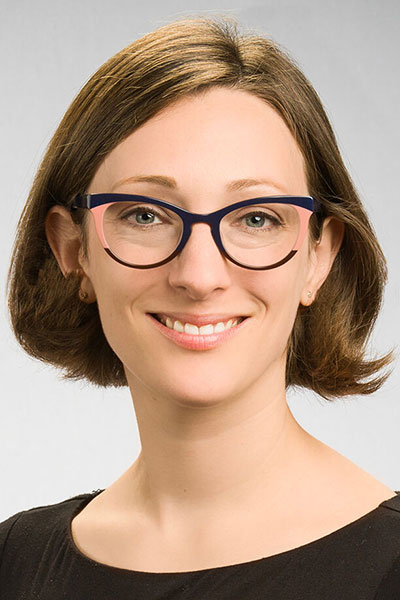
Session Chair Caroline Diorio, MD, assistant professor at Children’s Hospital of Philadelphia, will be joined by a panel of experts, including Matthew Frank, MD, PhD, and Emily Liang, MD.
Dr. Diorio will review some of the classic toxicities associated with CAR T, including cytokine release syndrome (CRS). When CAR T cells grow and expand, they release cytokines. However, excessive cytokine production can activate other components of the immune system, leading to a variety of immunologic toxicities. Very early on, it was recognized that the symptoms of severe CRS could be treated by blocking specific cytokines, such as IL-6, with tocilizumab.
“And as we’ve treated more patients and expanded the population of patients that receive CAR T, we’ve begun to see different patterns of CRS,” Dr. Diorio said. “We’ve seen CRS so severe it doesn’t respond to tocilizumab. And we’ve seen other manifestations of CRS.”
Dr. Diorio will also review immune effector cell-associated neurotoxicity syndrome (ICANS) and explain how our understanding of neurotoxicity has evolved. It is now believed that it is not caused by a single factor but by multiple mechanisms.
Dr. Frank, assistant professor of medicine in the Division of Blood and Marrow Transplantation and Cellular Therapy at Stanford University, will discuss an emerging toxicity, immune effector cell-associated hemophagocytic syndrome (IEC-HS).
Dr. Liang, assistant professor at Fred Hutch Cancer Center and the University of Washington, will discuss immune effector cell-associated hematotoxicity (ICAHT) and post-transplant infections.
Dr. Diorio noted that these are particularly timely topics for several reasons. First, the CAR T field is expanding further into non-malignant indications, where the tolerance threshold for toxicity differs from that in patients with malignancies. Second, as more patients have been treated with CAR T, the understanding of its biology is expanding. And, as the understanding of the biology of CAR T-induced toxicities expands, so does the understanding of the immune system and how it interacts with cancer and cancer treatments.
“The implications of these understandings go beyond just the treatment of CAR T, but to an understanding of the immune system more broadly,” said Dr. Diorio. “There are a lot of therapies these days that work by manipulating the immune system. CAR T is a good starting point to try to understand some of that.”
On-demand content will be available for this session. Visit the 2026 Tandem Meetings website to browse the full program listing.
Watch 2026 Tandem Meetings sessions on demand

If you missed a session or wish to review a session from the 2026 Tandem Meetings, you can access on-demand recordings on the Tandem Meetings website. Registered participants have digital access to scientific plenary and concurrent sessions, oral abstract sessions, honorific lectures, symposia and educational tracks.