 Follow ASTCT®
The Administrative Director Track at the 2026 Tandem Meetings | Transplantation & Cellular Therapy Meetings of ASTCT® and CIBMTR® will roll out more than 20 sessions and events of programming, including panel discussions, association presentations, informal networking and more from Feb. 6-7 in Salt Lake City.
Track organizers said the programming will provide timely updates and crucial conversations for both administrative directors and others in the field of transplantation and cellular therapy.
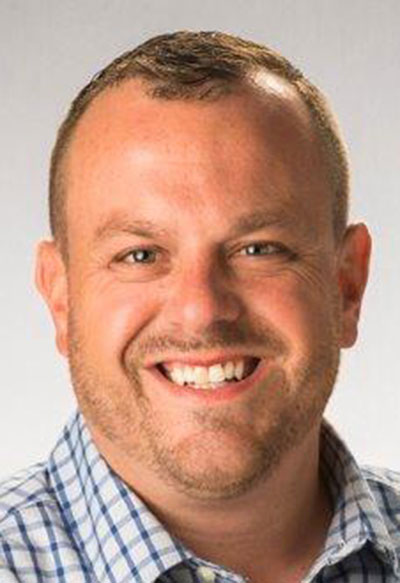
Track Co-Chair Mark Duckworth, BS, noted several sessions will focus on core themes that define administrative roles. (The full Administrative Director Track appears at the end of this article.)
“These sessions directly address what we consider real-world operational, financial, regulatory and strategic challenges facing institutions,” said Duckworth, senior director of cell and gene therapy operations at The Children’s Hospital of Philadelphia. “They are structured to provide insight and best practices in aligning finance, access and quality.”
For example, the three sessions Medicare updates: SCT, CAR-T and other Cell and Gene Therapy Updates, From Approval to Access: Collaborating with Payers on Coverage Policy, and Tele-what? Understanding Medicare’s Telemedicine and Remote Patient Monitoring Codes and How to Bill for Them will provide crucial, timely information about essential government and insurance industry policies affecting all providers.
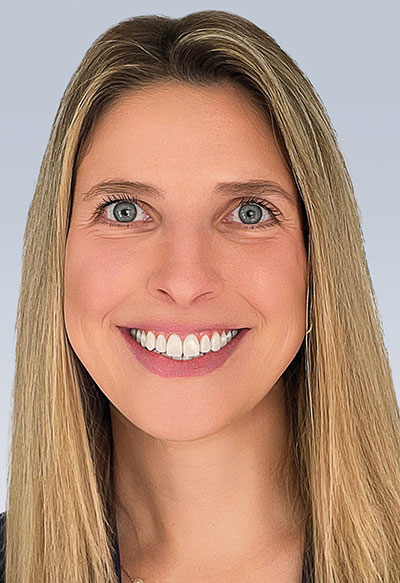
Track Co-Chair Madelyn Fell, MHA, said that the program also aims to provide practical, actionable takeaways to assist administrative leaders at a time when cellular therapy regulations must adapt to scientific advancements defining the future of care.
“Administrators are struggling to keep up with how rapidly science is evolving. They are charged to work through these difficult topics without a lot of guidance, so we’ve created this agenda by thinking about the future,” said Fell, director of operations for cell therapy and transplant at Penn Medicine.
“And we’re looking at these questions from an operational level. We’re focusing on the systematic improvements that could assist the scientific and the clinical work,” Duckworth added.
Sessions such as Assuring Quality in Cellular Therapy Expansion — A Panel Discussion and Apheresis Best Practices and Capacity Planning for the Future are examples of programming that will help administrators anticipate and understand best-practice approaches to evolving therapeutic practice.
The session Auto-immune CAR-T Program: Cell Therapy Centers Adoption will allow administrative leaders to explore the challenges of building and sustaining partnerships outside of the traditional academic medical centers.
“Those of us in the medical centers feel this growing need to move beyond our centers by working with community clinics. There are so many different models and approaches to do this, and we’ll talk through some successful examples,” Fell said.
“This discussion of expanding with community centers really goes back to our core focus of how to sustain financing to increase access to quality care,” Duckworth added.
Fell noted that administrators — and other professionals in the field of transplantation and cellular therapy — can flourish by taking advantage of the crossover educational opportunities at the Tandem Meetings.
“I think the most effective administrators are those who dive deeply into understanding the clinical work. So, I hope administrators will dive in and keep up with the science as best as they can, even when this is difficult,” Fell said. “Similarly, I think our most effective physician-leaders are those who try their best to understand the reimbursement implications of therapies that they are wanting to bring on board. It’s not just a snap of the fingers to be able to bring new therapies into practice. There are many financial nuances to consider, and that’s something we hope to help clinical and non-clinical leaders understand through the programming on this track.”
An example of this programming is the session CMMI at the Forefront: CMMI Update from CMS and State, which will explore the challenge and possible solutions of the high cost of sickle cell gene therapy.
“The science, the regulations and the finances — all of this affects our ability to deliver accessible care to patients,” Fell said. “We might be able to do the clinical, but if a center can’t make a therapy sustainable from a financial perspective, then it won’t be offered. We really have to work side-by-side.”
Administrative Director Track Agenda
The most up-to-date Administrative Director Track agenda and the full 2026 Tandem Meetings program are available on the online meeting program. All Administrative Director Track sessions take place in Room 155 A-G of the Salt Palace Convention Center, unless noted. All times are Mountain Standard Time.
Friday, Feb. 6
- 8:00 – 8:05 a.m. – Welcome and Introduction
- 8:05 – 8:35 a.m. – CIBMTR Update
- 8:35 – 9:05 a.m. – Committee on Government Relations Update
- 9:05 – 10:00 a.m. – Medicare updates: SCT, CAR-T and other Cell and Gene Therapy Updates
- 10:00 – 10:30 a.m. – Morning Break – Day 1, Exhibit Hall
- 10:30-11:20 a.m. – CMMI at the Forefront: CMMI update from CMS and State
- 11:20 a.m.– 12:00 p.m. – Standardizing Cellular Therapy Onboarding
- 12:00 -1:00 p.m. – Lunch – Day 1, Exhibit Hall
- 1:00 – 2:00 p.m. – States Under Stress: How Healthcare Leaders Are Developing Ways to Ensure Treatment Access and Value
- 2:00 – 2:45 p.m. – Staffing Survey Results and Next Steps
- 2:45 – 3:15 p.m. – Afternoon Break, Hall 1
- 3:15 – 4:15 p.m. – Assuring Quality in Cellular Therapy Expansion — A Panel Discussion
- 4:15 – 5:00 p.m. – From Innovation to Implementation: Standardizing the Cell & Gene Therapy Onboarding Process
- 5:00 – 6:00 p.m. – Track Reception, Hall 1
Saturday, Feb. 7
- 8:00 – 9:00 a.m. – From Approval to Access: Collaborating with Payers on Coverage Policy
- 9:00 – 10:00 a.m. – Best Abstracts
- 10:00 – 10:30 a.m. – Morning Break – Day 2, Exhibit Hall
- 10:30 – 11:20 a.m. – Breaking Down Silos: Collaboration Across Clinical Teams, Financial Clearance, and Managed Care Contracting
- 11:20 a.m. – 12:00 p.m. – FACT Update on Transplant, Cell and Gene Therapies
- 12:00 – 1:00 p.m. – Lunch – Day 2, Hall 1
- 1:00 – 2:00 p.m. – Community Transplants and CGT: An Institutional Perspective
- 2:00 – 3:00 p.m. – Apheresis Best Practices and Capacity Planning for the Future
- 3:00 – 3:15 p.m. – Afternoon Break, Hall 1
- 3:15 – 4:15 p.m. – Tele-what? Understanding Medicare’s Telemedicine and Remote Patient Monitoring Codes and How to Bill for Them
- 4:15 – 5:00 p.m. – Auto-immune CAR-T Program: Cell Therapy Centers Adoption
Watch 2026 Tandem Meetings sessions on demand

If you missed a session or wish to review a session from the 2026 Tandem Meetings, you can access on-demand recordings on the Tandem Meetings website. Registered participants have digital access to scientific plenary and concurrent sessions, oral abstract sessions, honorific lectures, symposia and educational tracks.