 Follow ASTCT®
Despite significant progress in cell and gene therapy, many obstacles remain, with cost possibly being the biggest. Understanding how to overcome these challenges will be crucial to developing future cell and gene therapies.
During the plenary session Access/Logistical Challenges and Development of Novel Therapies, a panel of experts will review the current state of cell and gene therapy, the barriers to access that have been encountered and upcoming developments. The discussion will be held on Wednesday, Feb. 4, from 5:00 – 6:00 p.m. MST in Ballroom AB of the Salt Palace Convention Center.
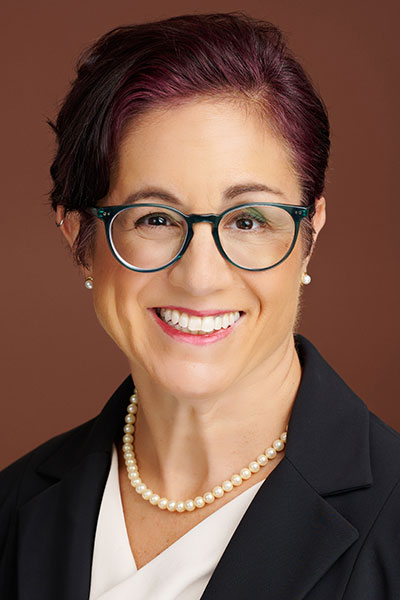
Session Chair Julie Kanter, MD, professor and director of the Adult Sickle Cell Program at the University of Alabama at Birmingham, will be joined by a panel of experts, including Francis Pierciey, MSc, and Frederick Locke, MD.
Pierciey, vice president and program lead for the sickle cell disease and alpha-1 antitrypsin deficiency programs at Tessera Therapeutics, will discuss in vivo gene editing of hematopoietic stem cells. Currently, most gene therapy uses an autologous transplant where stem cells are harvested from an individual and the genes within these cells are altered to combat disease. Once the cells have been manufactured, the patient requires a bone marrow transplant to get their cells back. To do this, patients must undergo chemotherapy, which comes with its own risks and benefits. The long-term ideal would be to give a drug that contains the mechanism for gene therapy, which is what Pierciey will discuss.
Dr. Locke, who leads the Immune Cell Therapy (ICE-T) initiative at Moffitt Cancer Center, will discuss some of the challenges in translating cell and gene therapies from bench to bedside, including manufacturing issues. It’s a lot easier in the clinical trial space for companies to obtain stem cells. Scaling this up in the real world is more complex due to various factors. For instance, some companies only operate a single manufacturing site for these products nationwide. Dr. Locke will discuss these challenges and potential ways to overcome them.
Dr. Kanter will discuss challenges with the implementation of commercial therapy in the real world.
“In some ways, this is a case in which your stem cell transplanters become a surgeon. So, unlike cancer, where they may have been caring for that patient from point A to point Z, we transfer our patient to the transplanter to do these therapies, and then they come back to us. It’s a bit of a new model in a lot of ways for transplant, so we have to build a model of care,” said Dr. Kanter.
Given this, communication between hematologists and transplanters is critical, but Dr. Kanter said successful communication remains a gap yet to be achieved.
Another challenge to be discussed during this panel is the psychosocial aspects of gene therapy for chronic conditions like sickle cell disease and hemophilia. People living with a chronic disease in many cases have been doing so their whole lives. They may also identify as members of the disease community or warriors of the disease (for sickle cell specifically). The idea that their disease can be fixed can raise questions about identity and belonging.
Despite these obstacles, Dr. Kanter wants people to see the promising side of gene therapy.
“There’s a lot of hope. Yes, we have challenges. Yes, we have barriers, but we also are constantly evolving and putting into place ways to overcome the current barriers, and science is delivering even better therapies for tomorrow,” Dr. Kanter said.
On-demand content will be available for this session. Visit the 2026 Tandem Meetings website to browse the full program listing.
Watch 2026 Tandem Meetings sessions on demand

If you missed a session or wish to review a session from the 2026 Tandem Meetings, you can access on-demand recordings on the Tandem Meetings website. Registered participants have digital access to scientific plenary and concurrent sessions, oral abstract sessions, honorific lectures, symposia and educational tracks.