 Follow ASTCT®
For the second year, the Infectious Diseases Track will present a full day of sessions at the 2026 Tandem Meetings | Transplantation & Cellular Therapy Meetings of ASTCT® and CIBMTR®.
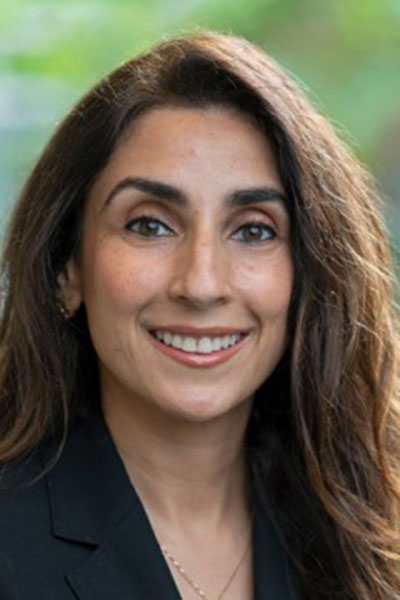
Infectious diseases are the leading cause of non-relapse mortality in the transplantation and cellular therapy population, noted Infectious Diseases Track Chair Zainab Shahid, MD, MPH. She said the programming on Wednesday, Feb. 4, will focus on the latest literature and practices being developed to keep pace with rapidly evolving clinical practice while also managing the serious threats of infectious complications.
“The landscape of therapeutics in the field of transplantation and cellular therapy is changing drastically, and that necessitates changes in the management of related infectious complications, understanding their epidemiology, and risk factors,” said Dr. Shahid, a transplant infectious diseases expert and physician at Memorial Sloan Kettering Cancer Center. “So, we will be highlighting the latest studies from the past year, focusing on knowledge essential for all professions in our field, which includes pharmacists, clinicians, investigators and providers — everyone who cares for our patients.”
ASTCT Immediate Past President Corey Cutler, MD, MPH, will touch on these themes in the day’s first session, Novel (or Future) Cellular Therapies, Immunological Impact and Infectious Risk. (The full Infectious Diseases Track agenda appears at the end of this article.)
Several sessions throughout the day will also consider current practice and evolving trends.
In New Diagnostics for Immunocompromised Host ID, Robin Patel, MD, director of the Infectious Diseases Research Laboratory at Mayo Clinic, will examine emerging diagnostic modalities for evaluating suspected infection in immunocompromised patients.
During Challenging Cases in Transplant ID, a panel of speakers will present infectious complications case studies from the field of cellular therapy. “These are real-world cases representing pediatric, adult and geriatric patients whose experience touches on evolving bench-to-bedside guidance and management strategies,” Shahid said.
The Infectious Diseases Debate will present pro and con positions on two pressing themes: routine prophylaxis for C. diff recurrence and the cost and effectiveness considerations for advanced imagining tools, such as PET/CT imaging in infectious diseases treatment.
The session Advancing Vaccines for the Transplant Community will address several relevant and pressing concerns. “We want to highlight the advances in vaccines and their effectiveness in infection prevention. We also want to speak to the current challenges in outbreaks, perceptions, misinformation and hesitancy — not just in the U.S., but globally,” Dr. Shahid said. “I believe this session will engage a large audience in our field: nurses, advanced practitioners, pharmacists, clinicians, administrators and investigators. And I hope all trainees come or watch this presentation because this topic is relevant for all of us, and it starts at the beginning of our practice.”
In the afternoon, attendees will have the opportunity to review some of the latest studies and literature with the Top 3 Abstracts session and the Landmark Papers in Transplant and Immunotherapy — A Year in Review.
Some of the latest information on various infectious complications in the cellular therapy field will be summarized in a novel fashion with the return of the Jeopardy-inspired Session. “All the material is drawn from the most recently published ASTCT TID-SIG guidelines,” Dr. Shahid explained. “It will be an enjoyable and highly interactive way to test everyone’s knowledge, no matter their years of experience.”
The programming ends with Your Voice Matters: A Call to Action, followed by the Track Reception. Dr. Shahid said these last two events provide a summary of the day’s discussions and a networking opportunity.
“Our field of infectious diseases that is nested in cellular therapy is very collaborative — I can’t overstate the importance of collaboration to the work we do,” Dr. Shahid said. “This is why we hope to meet with and engage not only fellow infectious diseases specialists, but the pharmacists, nurses, nurse practitioners, advance practice providers, bone marrow transplant doctors — the entire team. These collaborative conversations will drive cross-disciplinary exchanges of ideas and help improve patient care and outcomes.”
Infectious Diseases Track Agenda
The most up-to-date Infectious Diseases Track agenda and the full 2026 Tandem Meetings program are available on the online program. All Infectious Diseases Track sessions take place in Room 251 of the Salt Palace Convention Center, unless noted. All times are Mountain Standard Time.
Wednesday, Feb. 4
- 8:00 – 8:15 a.m. – Opening – Overview of the Day
- 8:15 – 9:00 a.m. – Novel (or Future) Cellular Therapies, Immunological Impact and Infectious Risk
- 9:00 – 10:00 a.m. – Challenging Cases in Transplant ID
- 10:00 – 10:30 a.m. – Morning Break, Exhibit Hall
- 10:30 – 11:30 a.m. – Infectious Diseases Debate
- 11:30 a.m. – 12:00 p.m. – Advancing Vaccines for the Transplant Community
- 12:00 – 1:00 p.m. – Lunch, Exhibit Hall
- 1:00 – 1:45 p.m. – New Diagnostics for Immunocompromised Host ID
- 1:45 – 2:30 p.m. – Top 3 Abstracts
- 2:30 – 3:00 p.m. – Landmark Papers in Transplant and Immunotherapy — A Year in Review
- 3:00 – 3:15 p.m. – Afternoon Break, Hall 1
- 3:15 – 4:15 p.m. – Jeopardy-inspired Session
- 4:15 – 4:45 p.m. – Your Voice Matters: A Call to Action
- 5:00 – 6:00 p.m. – Track Reception, Hall 1
Watch 2026 Tandem Meetings sessions on demand

If you missed a session or wish to review a session from the 2026 Tandem Meetings, you can access on-demand recordings on the Tandem Meetings website. Registered participants have digital access to scientific plenary and concurrent sessions, oral abstract sessions, honorific lectures, symposia and educational tracks.