 Follow ASTCT®
Four Blood & Marrow Transplant Clinical Trials Network (BMT CTN) studies were presented during the New BMT CTN Studies: Part 1 and Part 2 sessions on Feb. 4 at the 2026 TANDEM MEETINGS | Transplantation & Cellular Therapy Meetings of ASTCT® and CIBMTR®.
Summaries of the presentations are included below. Both sessions are available for on-demand viewing for in-person attendees and for those with registered digital access via the online program.
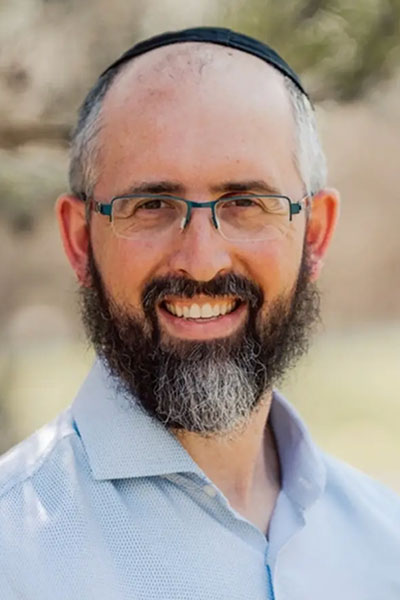
BMT CTN 2203 GVHD Prophylaxis (PROGRESS IV)
Zachariah DeFilipp, MD, associate professor at Harvard Medical School and director of BMT clinical research at Massachusetts General Hospital, discussed the randomized, multicenter, Phase III PROGRESS IV trial of tacrolimus/methotrexate/ruxolitinib versus post-transplant cyclophosphamide/tacrolimus/mycophenolate in non-myeloablative/reduced intensity conditioning allogeneic peripheral blood stem cell transplantation.
Although post-transplant cyclophosphamide (PTCy) has transformed the field, some patients might not be suitable for PTCy because of toxicity issues. Therefore, finding effective alternatives remains a critical unmet medical need.
Dr. DeFilipp and his team previously conducted two trials to assess whether adding ruxolitinib during transplant could improve outcomes.
“The main take-home from these two trials is that the addition of ruxolitinib was safe, feasible and it was associated with lower rates of GVHD,” Dr. DeFilipp said.
To further investigate this novel graft-versus-host disease (GVHD) prophylaxis in a larger study, they initiated a randomized Phase III trial in the setting of reduced intensity conditioning (RIC) allogeneic peripheral blood stem cell (PBSC) transplantation. The investigational arm is tacrolimus and methotrexate with ruxolitinib, and the control arm is the standard PTCy, tacrolimus and mycophenolate treatment.
Protocol version 1.0 was released in October of 2024, and accrual for the dose-finding run-in is complete. The Phase III portion is anticipated to open for enrollment in May 2026.

BMT CTN 2207 CureAA
Sally Arai, MD, a professor at Stanford University, provided an overview and update on the Phase II BMT CTN 2207 clinical trial of upfront haploidentical or unrelated donor BMT to restore normal hematopoiesis in aplastic anemia (AA).
A single-center study in 2023 assessed the efficacy of using human leukocyte antigen (HLA)-haploidentical hematopoietic stem cell transplantation (HSCT) in treatment-naïve patients with severe aplastic anemia (SAA). Results from the trial demonstrated an overall survival rate of 92% at three years, with acute and chronic GVHD occurring in less than 10% of patients.
“Based on the good efficacy and safety signals from this single-center study, the current CTN trial is looking at bringing the alternative donor, haploidentical or unrelated donor transplant upfront,” Dr. Arai said.
The primary study objective is to estimate GVHD-free, failure-free survival (GFFS) at one year after initiation of conditioning. The trial will include pediatric and adult patients from ages 3 to 75.
By December 2025, all 25 centers had been activated. The trial is also progressing ahead of schedule, with 29 patients giving consent and 24 patients enrolled.
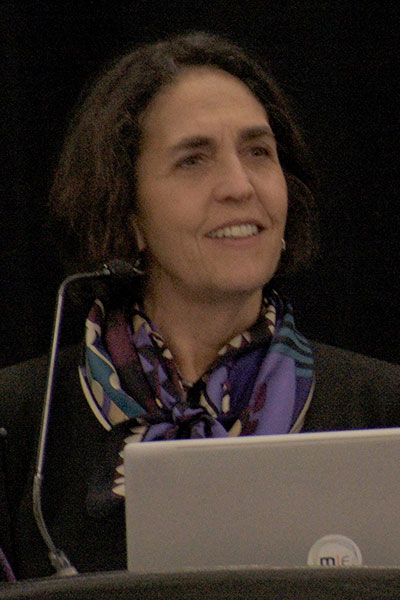
BMT CTN 2303 aGVHD Treatment
Iskra Pusic, MD, MSCI, a professor at Washington University School of Medicine, discussed a randomized, double-blind, placebo-controlled, multicenter Phase III trial of remestemcel-L added to ruxolitinib for grade 3-4 steroid-refractory (SR) acute GVHD (aGVHD).
Remestemcel-L is a second-generation mesenchymal stem cell (MSC) product designed to be substantially more potent than first-generation MSCs. It has extensive clinical experience in treating resistant aGVHD in both children and adults and offers an excellent safety profile.
“Remestemcel is a safe and effective product that has no overlapping toxicities with ruxolitinib. They have different mechanisms of action, and both agents are FDA approved,” Dr. Pusic said.
The Phase III trial is being conducted to compare the efficacy and safety of remestemcel-L plus ruxolitinib versus placebo and ruxolitinib as second-line treatment. The hypothesis is that the addition of remestemcel-L, an efficacious treatment for SR-aGVHD in children, to ruxolitinib, an efficacious treatment for SR-aGVHD in adults, will improve outcomes.
Protocol release is expected in April 2026, following an FDA type C meeting for this trial in February.
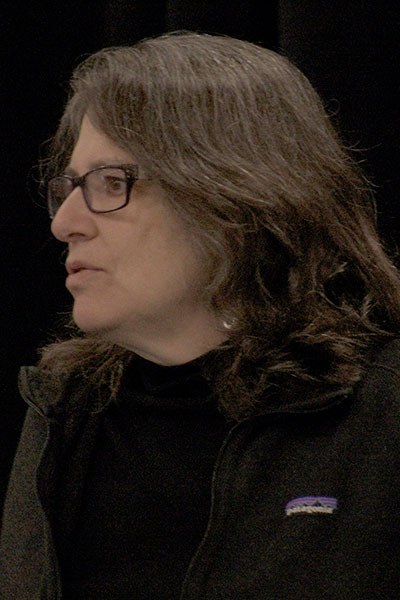
BMT CTN 2402 Non-Malignant Biorepository (HOPE)
Leslie Kean, MD, PhD, a professor at Harvard Medical School and director of the Stem Cell Transplant Center at Dana-Farber/Boston Children’s Cancer and Blood Disorders Center, discussed the Hematopoietic Cell Transplant and Gene Therapy for Non-Malignant Blood Disorders Biobank Resource, also known as HOPE.
Dr. Kean said the goal of HOPE was to “create the required biospecimen bank that will enable us to identify new therapeutic targets for nonmalignant disease and their transplant and gene therapy-related complications.”
To do this, the biorepository aims to enroll 375 patients and approximately 100 related donors. Enrollment will occur before gene therapy or transplantation, and the related donor can be consented to the study once the transplant patient gives consent. Specimens will be collected at baseline (pre-conditioning), at scheduled follow-ups and at event-driven timepoints, such as acute or chronic GVHD, donor lymphocyte infusion, graft failure, etc.
Dr. Kean emphasized that communication is critical to avoid missing event-driven samples. She encourages regular communication with treating physicians and holds monthly investigator calls to share learning, conduct real-time troubleshooting and exchange best practices.
Watch 2026 Tandem Meetings sessions on demand

If you missed a session or wish to review a session from the 2026 Tandem Meetings, you can access on-demand recordings on the Tandem Meetings website. Registered participants have digital access to scientific plenary and concurrent sessions, oral abstract sessions, honorific lectures, symposia and educational tracks.