 Follow ASTCT®
How the latest risk-adjusted data on overall transplant survivability can provide an equitable and balanced scientific performance measurement tool to assist centers in defining and improving quality patient care will be the focus of a 90-minute Scientific Track session on Wednesday, Feb. 4, at the 2026 Tandem Meetings | Transplantation & Cellular Therapy Meetings of ASTCT® and CIBMTR®.
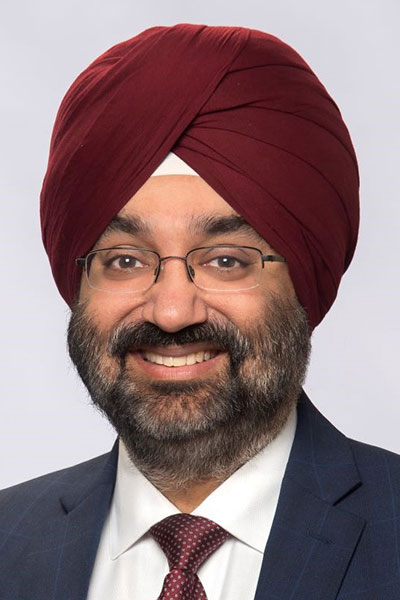
The concurrent session Beyond the Report Card – Advancing Research and Quality through Center Specific Outcomes Reporting [CIBMTR] will be relevant for a large segment of the hematopoietic cell transplantation (HCT) community, said Session Co-Chair Navneet Majhail, MD, MS, physician-in-chief of blood cancers at the Sarah Cannon Cancer Network.
“Transplant is a complicated team sport,” Dr. Majhail noted. “There are several groups that will benefit from this information: medical directors and other program leaders, physicians, administrators, statisticians and quality coordinators — essentially all who are involved with quality improvement programs and projects and are interested in improving patient outcomes.”
The session will open with overviews of the methodology used by CIBMTR for center-specific survival analysis, and how adaptations made to factors used for risk adjustment have kept pace with advancements in research and clinical practice. These will be provided by Brent Logan, PhD, director and professor of biostatistics in the Data Science Institute at the Medical College of Wisconsin, and by Session Co-Chair J. Douglas Rizzo, MD, MS, professor of medical oncology at the Medical College of Wisconsin and chair of the CIBMTR Center Outcomes Forum.
“This first segment is about transparently sharing what we are doing to continuously improve our risk adjustment model,” said Dr. Rizzo. “We keep the model current with evolving scientific evidence to inform appropriate risk adjustment to give the most scientifically valid report that we can about how centers are doing. There’s no black box behind the methodology. It’s just the hard work of understanding what the most important factors are to risk-adjust for their impact on outcomes while understanding and respecting the burden on centers in providing that information to use for risk adjustment.”
As an example of sharing what new adaptations have been made, Dr. Rizzo will discuss how the most recent scientific evidence pertaining to acute myeloid leukemia (AML), acute lymphoblastic leukemia (ALL) and comorbidities discussed at the November 2025 Center Outcome Forum will guide the next cycle of reports.
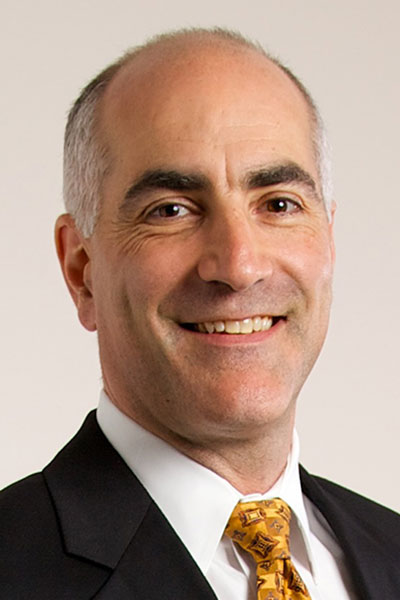
The second part of the session will focus on how these data have been used for improved patient care and how this public reporting might impact the transplant community, including patient selection for transplants.
Akshay Sharma, MBBS, MSc, a bone marrow transplant physician at St. Jude Children’s Research Hospital, will review the impact of public reporting on HCT center volumes. Christopher Strouse, MD, a clinical assistant professor of internal medicine-hematology at the University of Iowa, will discuss the impact of public reporting on patient selection at centers. Miguel-Angel Perales, MD, chief of the adult bone marrow transplantation service at Memorial Sloan Kettering Cancer Center, will talk about the applications of the CIBMTR 1-Year Survival Calculator for retrospective analysis.
Dr. Majhail said this second group of presentations could help centers facilitate a range of potential real-world scenarios, such as how to respond to situations when a payer might adjust coverage based on outcomes reports, or how to evaluate the impact of this information in a market with multiple centers.
“It’s about how you can potentially use these data,” Dr. Majhail explained. “The session provides an understanding of how a center has used the data retrospectively and applied it in practice, as well as how a center can use the data going forward to be informed about the potential survivability of their transplant patients.”
The session will close with a panel discussion intended to solicit audience ideas about how center outcomes reports can be used to enhance the quality of patient care. The discussion will also focus on how new areas of research can be applied to better understand the potential impacts of public reporting on transplant outcomes and the transplant community.
One additional new aspect of the report this year is that it includes participation of international-based centers for the first time since 2019. Data from 24 international centers are included in a report addendum that outlines the performance of the participating international centers using the U.S. model as the baseline. Dr. Rizzo said international centers will want to interpret the results with some caveats, but can still receive useful information and insights in comparing their outcomes to U.S. centers overall.
On-demand content will be available for this session. Visit the 2026 Tandem Meetings website to browse the full program listing.
Watch 2026 Tandem Meetings sessions on demand

If you missed a session or wish to review a session from the 2026 Tandem Meetings, you can access on-demand recordings on the Tandem Meetings website. Registered participants have digital access to scientific plenary and concurrent sessions, oral abstract sessions, honorific lectures, symposia and educational tracks.