 Follow ASTCT®
Each year at the Tandem Meetings, the BMT CTN Coordinators Track offers a point of contact for trial coordinators to connect with Blood and Marrow Transplant Clinical Trials Network resources and share ideas.
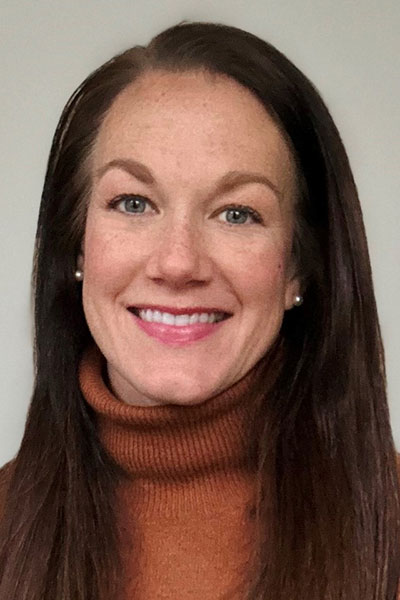
“The BMT CTN is a network, and it’s unique compared to a lot of the industry studies these coordinators work on, so the Tandem Meetings is an opportunity for them to take advantage of what the network offers them,” said one of the track planners, Megan Scott. “That would be my plug: Come and be around people who are working on network studies to see the uniqueness that the network provides them.”
The BMT CTN Track, with sessions taking place in Salt Lake City on Wednesday, Feb. 4, also highlights the newest insights from recently started, ongoing and completed studies.
“A lot of our trials take five-plus years, so data from those studies help coordinators see the big picture — the fruits of their labor — which is really exciting,” said Scott, who is also a clinical trials manager for the Emmes Company.
Completed long-term studies that will be featured during Recent BMT CTN Study Results include:
- BMT CTN 1507 Haplo Sickle Cell (Pediatric arm), presented by Mark Walters, MD, University of California, San Francisco
- BMT CTN 1705 ATT GVHD Treatment, presented by Amin Alousi, MD, MD Anderson Cancer Center
- BMT CTN 1902 Multiple Myeloma CAR T, presented by Sergio Giralt, MD, Memorial Sloan Kettering Cancer Center
“We’re also going to generate some excitement and buzz around new studies. We have two that have recently been released, and then we have two more that are coming out,” Scott said.
New BMT CTN Studies: Part 1 and New BMT CTN Studies: Part 2 will take place before and after the morning break. (The full BMT CTN Coordinators Track Agenda appears at the end of this article.)
After lunch, attendees will have the opportunity to query panelists on a variety of topics during the Round Table Session, a collaboration between the Data Coordinating Center (DCC) and the National Marrow Donor Program Institutional Review Board (NMDP IRB).
“That’s unique in that the coordinators are going to have an opportunity to ask us direct questions on study activation,” Scott said. “We have a lot of lessons learned from studies that have recently started that we want to share, and we want to receive information from the coordinators there.”
Scott encourages attendees to come prepared to ask questions at the roundtable and at other sessions throughout the day.
“Don’t be shy. Everyone who is in that room for the BMT CTN Coordinators Track is there to truly help you and even receive your feedback,” Scott said. “Just ask questions and be engaged.”
BMT CTN Coordinators Track Agenda
The most up-to-date BMT CTN Coordinators Track agenda and the full 2026 Tandem Meetings program are available on the online meeting platform. All BMT CTN Track sessions take place in Room 255 A-G of the Salt Palace Convention Center, unless noted otherwise. All times are Mountain Standard Time.
Wednesday, Feb. 4
- 800 – 8:05 a.m. – Welcome Address
- 8:05 – 9:35 a.m. – Recent BMT CTN Study Results
- 9:35 – 10:05 a.m. – New BMT CTN Studies: Part 1
- 10:05 – 10:30 a.m. – Morning Break, Exhibit Hall
- 10:30 – 11:00 a.m. – New BMT CTN Studies: Part 2
- 11:00 – 11:15 a.m. – Organizational Structure of the BMT CTN DCC
- 11:15 a.m. – 12:00 p.m. – Panel Discussion: Protocol to Data System: Ask Your Questions!
- 12:00 – 1:00 p.m. – Lunch, Exhibit Hall
- 1:00 – 2:00 p.m. – Round Table Session (In-Person Only)
- 2:00 – 2:15 p.m. – Improving Study Start-Up Timeline; Results from BMT CTN 2302 FAST Protocol
- 2:15 – 2:30 p.m. – Ways to Get Involved in the BMT CTN
- 2:45 – 3:00 p.m. – AI Tools: Implementation & Future-Use
- 3:30 – 4:00 p.m. – Access to Clinical Trials Projects
- 4:00 – 4:15 p.m. – Importance of Patient-Reported Outcomes
- 4:15 – 4:45 p.m. – Patient and Caregiver Perspectives
- 4:45 – 5:00 p.m. – Closing Remarks
Watch 2026 Tandem Meetings sessions on demand

If you missed a session or wish to review a session from the 2026 Tandem Meetings, you can access on-demand recordings on the Tandem Meetings website. Registered participants have digital access to scientific plenary and concurrent sessions, oral abstract sessions, honorific lectures, symposia and educational tracks.