 Follow ASTCT®
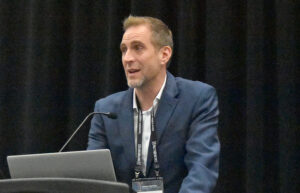
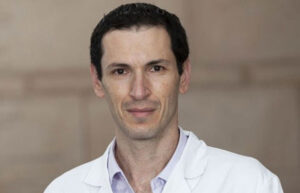
The professors: Partow Kebriaei, MD, professor, Department of Stem Cell Transplantation and Cellular Therapy, Division of Cancer Medicine at the University of Texas MD Anderson Cancer Center; and Michael Pulsipher, MD, division chief of pediatric hematology and oncology at Intermountain Primary Children’s Hospital, director of the Children’s and Adolescent Cancer Initiative at Huntsman Cancer Institute, and a presidential chair in pediatric oncology and hematology at the University of Utah
Session title: What is the Role of HCT in ALL: Adult and Pediatric Perspectives
Date, time, and location: Wednesday, Feb. 4, 12:15 – 1:15 p.m. MST, Room 259 of the Salt Palace Convention Center
What is the focus of your session?
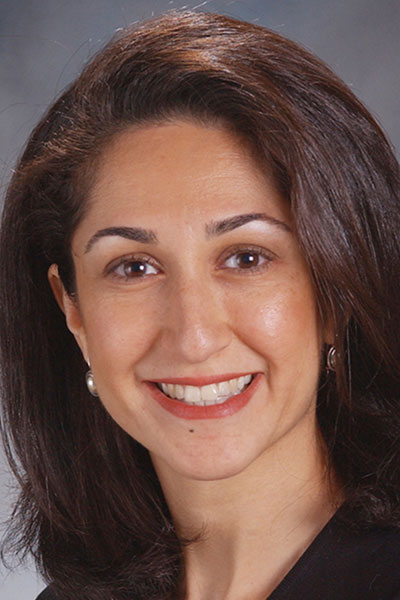
Kebriaei and Pulsipher: “We will review the indications for transplant, with an emphasis on using measurable residual disease (MRD) assays, specifically next-generation sequencing (NGS) methods, to inform our decisions. Furthermore, we will review strategies to decrease the risk for relapse after transplant, including transplant conditioning intensity, donor lymphocyte infusions and other immunotherapeutic strategies, and chemotherapy. Finally, we will review the optimal sequence of transplant and CAR-T therapies, especially in very high-risk patients. We will discuss these issues for both pediatric and adult patients.”
How did you become interested in these themes?
Kebriaei: “I have been interested in acute lymphoblastic leukemia (ALL) since my fellowship at the University of Chicago in the early 2000s. We have seen dramatic improvement in the upfront therapy of certain subsets of ALL, such as Philadelphia-positive ALL (Ph+ ALL), and this has been gratifying to witness. Equally exciting, we have made great strides in the treatment of patients with relapsed disease, so that we can now take a group of patients to transplant who previously did not have a chance for potentially curative therapy.”
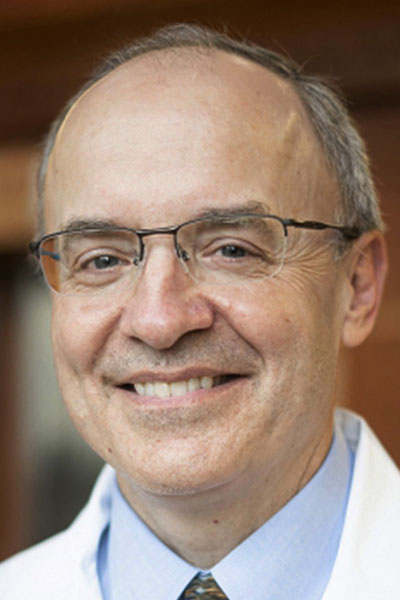
Pulsipher: “I started work in hematopoietic cell transplantation (HCT) for ALL very early in my career with a pilot testing the role of sirolimus in children receiving ALL HCT, followed by a phase 3 trial in the Children’s Oncology Group. The most important findings from that trial included the critical role of MRD, both flow cytometry and NGS-based, in determining outcomes. Through the years, this has led to several follow-on trials, such as the EndRAD trial, aimed at using NGS MRD to eliminate total body irradiation (TBI) from HCT preparative regimens in children. I’ve extended this work with NGS MRD into CAR-T therapy, publishing a key study that is informing a prospective trial we are performing.”
What do you hope attendees will learn from your session?
Kebriaei: “We will discuss how to identify which patients we need to take to upfront transplant, and once we have made this decision, how to optimize transplant outcomes. For patients with the highest risk for relapse, we will discuss the best strategies to minimize risk for relapse after transplant.”
Pulsipher: “We hope to teach them the critical role of individualizing therapy for patients with ALL so that they can either avoid HCT or know when to use HCT to achieve the best outcomes. My hope is to use CAR T-cells more as they improve through the years to maximize outcomes while minimizing risk and late effects.”
How will the themes you introduce affect the next generation in your field?
Kebriaei: “Determining which patient to take to transplant upfront and identifying strategies to reduce the risk for relapse in very high-risk patients after transplant are universal themes relevant to all diseases that we consider for transplant. And they are themes that I suspect we will be discussing in future generations.”
Pulsipher: “Our goal should be minimal therapy with best outcomes, and use of key MRD markers along with other risk factors can help us know best how to maximize survival while minimizing toxicity.”
What else do you want to share about your Meet-the-Professor session?
Kebriaei and Pulsipher: “We hope to have an informative and interactive session through case-based discussions and to cover key questions from the audience.”
Meet-the-Professor is a series of 12 hour-long luncheon sessions in the Scientific Track featuring presentations by esteemed leaders in the transplantation and cellular therapy community. Limited tickets are available for $25 per person, per session, each of which includes a meal. Advance registration is highly recommended and can be made during online registration. In-person ticket sales during the 2026 Tandem Meetings will be available at the registration desk if tickets remain.
Watch 2026 Tandem Meetings sessions on demand

If you missed a session or wish to review a session from the 2026 Tandem Meetings, you can access on-demand recordings on the Tandem Meetings website. Registered participants have digital access to scientific plenary and concurrent sessions, oral abstract sessions, honorific lectures, symposia and educational tracks.